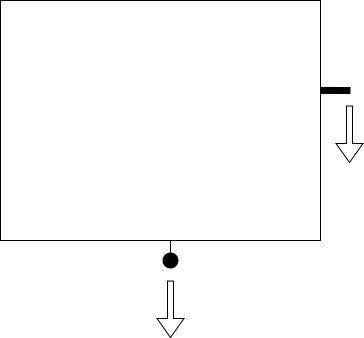
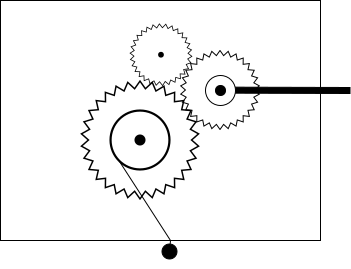
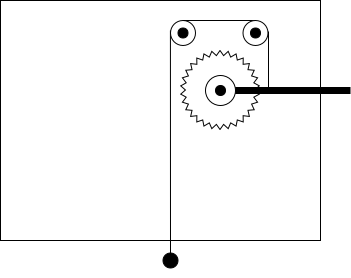
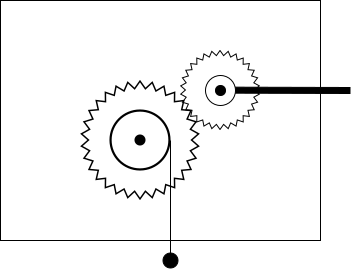
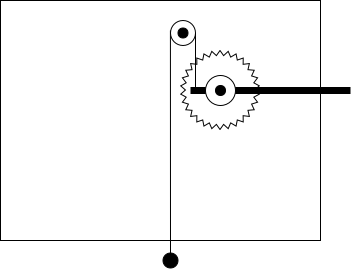
Technical, or mechanical, reasoning shows you a construction of gears, pulleys, racks and pivoting rods and asks which arrangement will allow — or prevent — a particular movement. You trace force and rotation through the linkage: which way does this gear turn if that one turns, does this pulley system speed the load up or slow it down, will the mechanism move at all? Some puzzles have no valid answer, so 'none of the above' is always on the table.
Why airlines test it
This measures mechanical comprehension and applied-physics intuition — a feel for how physical systems behave. An aircraft is, at bottom, a machine, and airlines want pilots who grasp the principles behind the systems they operate rather than treating them as sealed boxes. Candidates with strong mechanical sense learn aircraft systems faster and troubleshoot them more sensibly, which is why technical reasoning appears in almost every pilot selection.
In the cockpit
Flight training is dense with systems: hydraulics, pneumatics, flight controls, gears, engines, electrics. A pilot who understands cause and effect in a mechanical system reasons about a failure rather than merely reciting a drill — 'if this hydraulic system is lost, these surfaces are affected, so the aircraft will handle like this.' That same physical intuition underpins basic aerodynamics and energy management: the feel for how forces act on the aircraft. Understanding your machine is the foundation of flying it well.
For example: you lose one of the aircraft's hydraulic systems. A pilot who understands the plumbing immediately knows which flight controls, gear and brakes that system drove, expects the alternate sources to pick some of them back up, and predicts heavier controls and a longer landing roll — reasoning it through from the architecture rather than blindly reciting the drill. That mental model of cause and effect is what lets you stay ahead of the failure instead of being surprised by its side-effects.
How to practise
The Technical Reasoning game below asks you to pick the construction that allows, or disallows, a marked movement. Trace each linkage deliberately, one direction at a time — and keep in mind that sometimes the correct answer really is that nothing works.